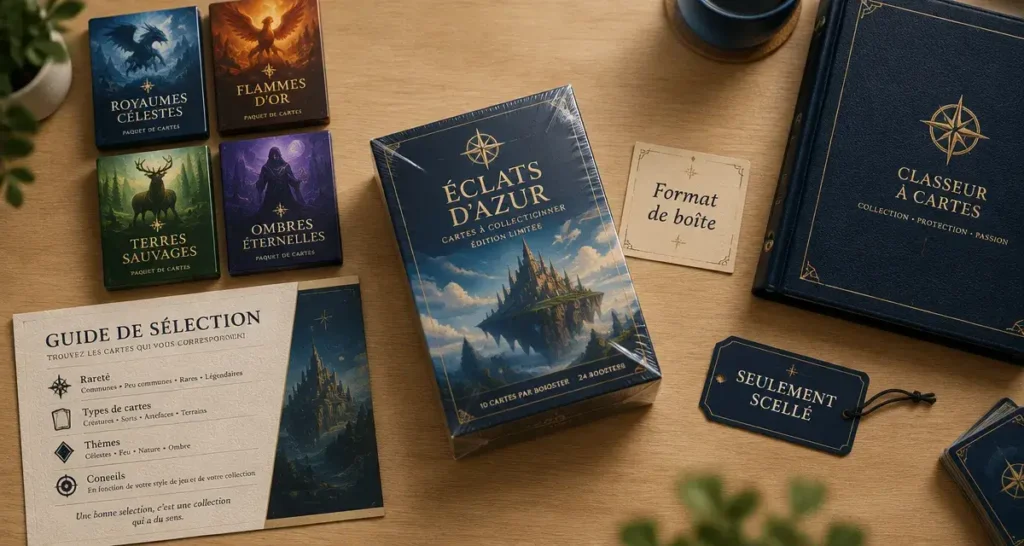
Shopping for Pokémon card boxes is easier when you separate the box format from the expansion set inside it. A box may be designed for opening packs, playing the Pokémon Trading Card Game, displaying promo cards, giving as a gift, or keeping sealed. These are different purchases, even when the packaging looks equally collectible.
Start with the box format, not the chase card
A Pokémon card box is a packaged Pokémon Trading Card Game product containing one or more components, such as booster packs, promotional cards, accessories, or a combination of these items. The expansion set determines the card pool and visual theme. The box format determines the opening experience, included extras, and overall cost.
Official Pokémon TCG Expansions and Product Reference · Explore official Pokémon TCG products, expansions, card artwork, and powerful cards to grow your collection and build your next deck.
Do not choose a product solely because one Ultra Rare, Illustration Rare, Special Illustration Rare, or Secret Rare catches your eye. A chase card is never a promise. Pull rates vary, and a sealed product does not guarantee that a particular rare card will appear inside. If one card is your main goal, buying that card individually may be more direct than opening packs and hoping to find it.
Booster box or booster display
A booster box, also called a booster display, groups booster packs from one expansion. It suits buyers who want to open a substantial amount of one set, trade duplicates, or collect cards for deck building. The format offers concentrated access to a single card pool, which makes it easier to focus on a particular expansion.
Check the product description carefully before ordering. Pack count, language, expansion name, and the classification of the product as a standard expansion can vary by region and release. A listing that uses the words “booster box” may not match the product you expect, so confirm the contents rather than relying on the title alone.
Elite Trainer Box, collection box, and premium collection
An Elite Trainer Box, or ETB, usually combines booster packs with play-oriented accessories such as card sleeves, dice, markers, and storage elements. It can suit beginners who want a product that feels complete, as well as players who will use the included accessories.
A collection box generally puts the spotlight on one or more promo cards. It may also include oversized display cards or themed items. Premium collections and special boxed sets can offer more elaborate presentation, but “premium” describes the format, not the likelihood of pulling a valuable card.
Compare Pokémon card boxes by the experience you want
| Format | Typical contents | Best for | Main advantage | Watch out for |
|---|---|---|---|---|
| Booster box | Multiple booster packs from one expansion | Set-focused openers and active players | Concentrated access to one card pool | Rare pulls are not guaranteed |
| Elite Trainer Box | Booster packs plus gameplay accessories | Beginners and Pokémon TCG players | Useful tools beyond the packs | Compare the accessories you will actually use |
| Collection box | Booster packs and featured promo cards | Gift buyers and character collectors | Immediate display appeal | Pack selection may span different sets |
| Premium or special set | Varied packs, promos, and themed extras | Collectors seeking presentation | Strong themed experience | Higher price does not equal higher card value |
For a first purchase, an ETB or collection box is often easy to enjoy because the product feels complete as soon as it is opened. For a buyer focused on one expansion, a booster box is more direct. For a gift, choose a box featuring a Pokémon the recipient already likes rather than trying to predict market value.
Collectors should also separate the appeal of the packaging from the usefulness of the contents. A character-focused collection box may be ideal for display, while an ETB may offer more practical value to someone who plays. The right choice depends on what the recipient or buyer plans to do with the product after purchase.
Read the product listing like a collector
Before adding a box to your cart, match every detail in the listing to your goal. The expansion title tells you which cards may be inside. The language matters for collection consistency, resale interest, and gameplay use. English-language and Japanese-language products are not interchangeable editions, even when they share characters or artwork.
Also check the regional version and product edition. The same Pokémon or visual theme can appear across different products, while the packs, promo cards, and accessories may differ. A clear listing should let you identify the set, format, language, and condition without guessing.
Check what is actually included
Look for a full contents list rather than relying on a pack image. Confirm the number and type of booster packs, listed promo cards, accessories, and stated condition. A product called a “box” may be a collection box, a sealed display, an ETB, or a loose assortment.
If the listing does not clearly identify the expansion and components, pause before buying. Product photographs can show the front of a package without revealing whether the packs come from one set or several. The written contents list should support what the images appear to show.
Compare total cost, not the sticker price
A lower item price can become less attractive after shipping, taxes, packaging charges, or a restrictive return policy. Compare equivalent products in the same language and condition. Then ask whether the higher-priced option includes a promo, accessories, safer packaging, or a seller with a clearer track record.
This approach is more useful than comparing two unrelated boxes by price alone. A booster box and a premium collection may have different contents and purposes, so their prices cannot be judged fairly without considering what each product includes.
Think of your budget as limited: every dollar spent on one sealed product is unavailable for sleeves, a binder, singles, or the next expansion. Setting a fixed opening budget and a separate sealed budget can prevent a common collector problem, buying a display for long-term storage and then opening it after seeing social-media pulls. Decide the purpose of the box before it reaches your shelf.
Inspect sealed condition and seller reliability before checkout
Factory-sealed Pokémon products are appealing because the original contents should remain intact. However, shrink wrap alone is not proof of authenticity. Packaging can be damaged, altered, or imitated, so assess the entire offer rather than one visual detail.
- Review the seller: favor retailers or marketplaces with clear business information, buyer protection, and a visible way to resolve disputes.
- Study the listing photos: look for consistent packaging, readable set names, and images of the actual item when possible.
- Check the seal: avoid boxes with unexplained tears, resealing marks, loose wrap, crushed corners, or a description that is vague about condition.
- Confirm the edition: verify language, regional version, expansion, and whether the item is new and sealed rather than opened or repacked.
- Read delivery and return terms: card boxes can be damaged in transit, so understand what happens if the seal arrives compromised.
Be particularly cautious with prices that are dramatically lower than comparable offers. A discount may be legitimate during a promotion or restock, but it should not replace basic checks on product details and seller credibility. Keep your order confirmation, and photograph the parcel and box on arrival if sealed condition matters to you.
Stock status also deserves attention. A product marked as available may have a different dispatch time from a product ready for immediate delivery. Read the estimated delivery information and check whether the seller explains how damaged packages are handled. These details matter when the box is intended for display or sealed storage.
Choose between opening, playing, gifting, and storing sealed
The right Pokémon card box matches a clear use. Opening packs is entertainment with an uncertain outcome. Building decks favors products that provide playable accessories or a broad base of cards. Gifting favors recognizable characters and tidy presentation. Sealed collecting favors condition, storage, and patience, not a guarantee of future profit.
If you plan to open the box
Choose an expansion whose artwork, Pokémon, and card style you genuinely enjoy. Organize pulls immediately: use sleeves for cards you want to protect, keep duplicates together, and store bulk cards separately. This makes the experience more satisfying and helps you see whether you would rather buy more packs or purchase specific singles later.
Opening with a clear budget can also make the purchase easier to evaluate. If the enjoyment comes from the opening experience, focus on a format that offers the accessories or presentation you value. If the goal is a particular card, remember that additional packs increase uncertainty rather than guaranteeing the result.
If you plan to keep it sealed
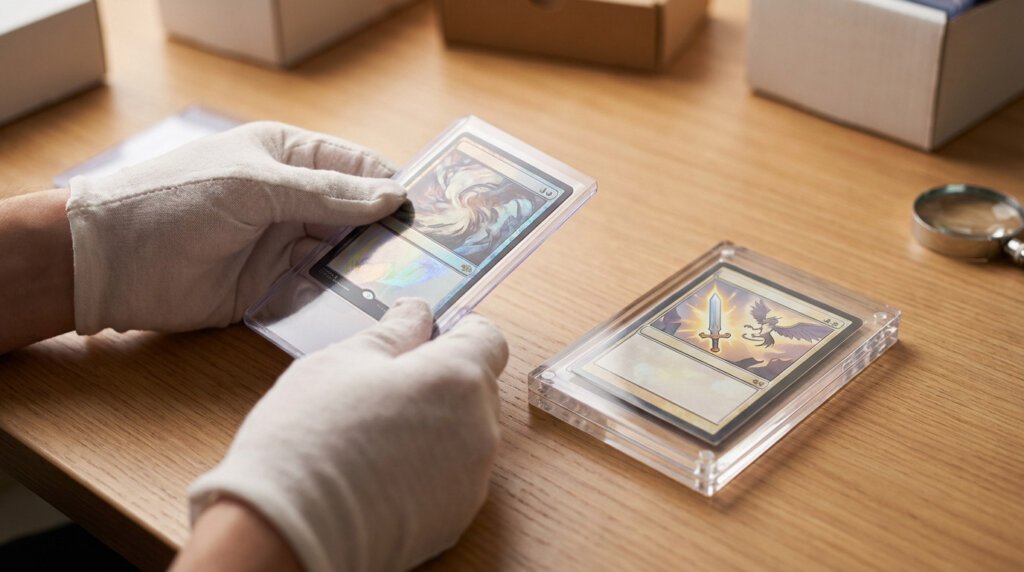
Protect the box from sunlight, moisture, pressure, and temperature swings. Do not stack heavy products on top of it, and avoid attaching labels directly to the factory wrap. Keep proof of purchase and note the edition, language, and acquisition condition.
A clean, well-documented sealed product is easier to identify later than a box with an uncertain history. Storage does not guarantee appreciation, and a sealed Pokémon product should be treated as a collectible purchase rather than a certain investment.
Finally, treat availability with calm. Preorders, restocks, reprints, and discontinued products can affect urgency and price, but none of them makes a box automatically worth buying. Compare the format, verify the listing, decide your purpose, and buy only when the sealed product still makes sense after delivery costs and return conditions are included.