Key takeaways
A good card finder is no longer a nice-to-have. It’s the single fastest way to protect your collection’s value and outpace other collectors in a market that moves by the hour.
- Speed is everything: modern card scanners identify a card’s name, set, and condition in under three seconds, cutting manual lookup time by a significant margin.
- 🎯 Free tools exist that rival paid apps for price accuracy. Knowing which ones to trust saves you from costly misprices on both buying and selling.
- Multi-TCG coverage matters: the best finders span Pokémon, Magic: The Gathering, sports cards, and One Piece TCG so you never need a separate app per collection.
- ✅ A digital collection tracker reduces duplicate purchases and surfaces cards you already own when building a new deck or completing a set.
- Competitive players benefit too: locating specific cards fast directly improves your ability to test and finalize decklists before a tournament weekend.
- 💡 The most underrated card finder strategy. spotting undervalued cards before prices spike. is covered in full detail below.
What Is a Card Finder and Why Every Collector Needs One in 2026
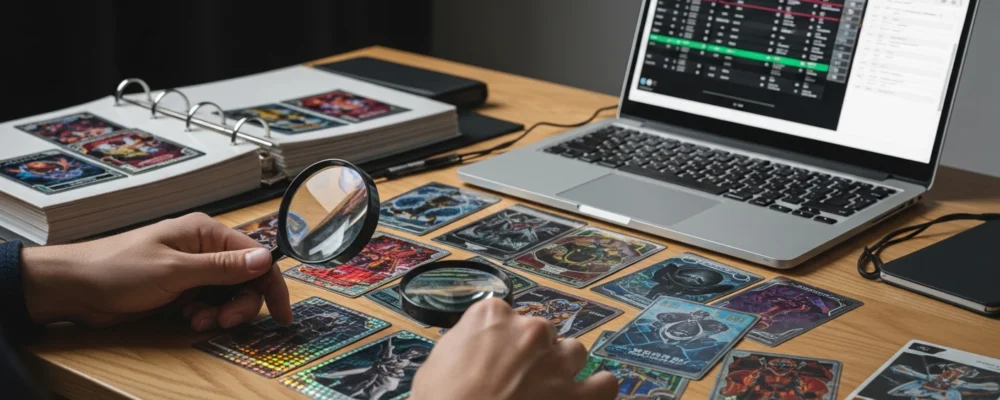
A card finder is a tool, app, or platform that lets you identify, value, and locate trading cards instantly. Instead of scrolling through forum threads or cross-referencing spreadsheets, you get a card’s name, set, rarity, and current market price in seconds.
In 2026, the trading card market moves fast. A card that costs $10 on Monday can hit $40 by Friday after a tournament result. Without a dedicated finder, you’re always reacting. With one, you’re ahead of the curve.
As a collectionneuse, I’ve learned this the hard way: manual research isn’t just slow, it’s genuinely risky. Missing a price spike on a card you own, or overpaying for one you’re buying, costs real money. A reliable Pokémon card value checker is the first line of defense against both mistakes.
Card finder vs. manual search: the real difference in speed and accuracy
Manual lookup typically involves three or four steps. You check the card name, search a marketplace, filter by condition, then compare listings. That process takes two to five minutes per card minimum.
A modern card finder compresses all of that into one scan. CollX, for example, uses image recognition to identify a sports card and return a live market price in under three seconds. The accuracy gap is equally significant: automated tools pull live data from multiple marketplaces simultaneously, while manual searches are only as current as the last tab you refreshed.
- ⚠️ Manual search fails hardest on bulk lots, where card-by-card lookup becomes impractical.
- ✅ Card finders excel at surfacing outlier prices across platforms you wouldn’t normally check.
- The counterintuitive insight: even experienced collectors misprice cards when rushing. Automation removes the fatigue factor entirely.
Which trading card types are covered: Pokémon, sports cards, Magic, and more
Coverage varies significantly between tools. The best finders are multi-TCG platforms, not single-game apps.
PriceCharting covers Pokémon, Magic: The Gathering, sports cards (baseball, basketball, football), and several other TCGs in one unified database. TCDB specializes deeper in sports card cataloging with detailed set checklists.
For Pokémon specifically, tools also help you authenticate cards before buying. Knowing how to spot a fake Pokémon card alongside checking its value is a workflow every collector should combine. One Piece TCG and Lorcana are now appearing in more finders too, reflecting where the market is heading in 2026.
Best Card Finder Tools Compared: Scanners, Apps, and Price Checkers
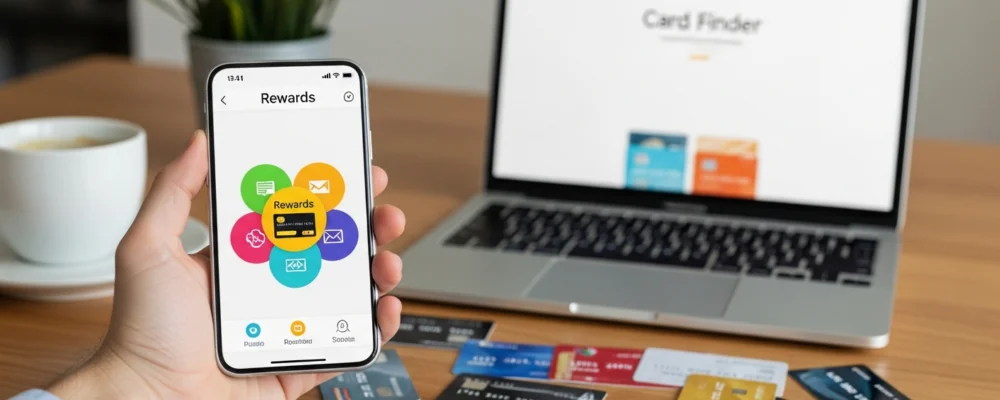
Not all card finders are built equal. The gap between a basic price lookup and a full-featured scanner can mean the difference between a great deal and an overpaid card. Here is a clear breakdown of the tools worth your time right now.
Top free card value scanners worth using right now
Free tools have quietly become very powerful. Several platforms now offer image-based scanning, live marketplace data, and collection tracking at zero cost. The catch is that each tool has a specific strength, so picking the right one depends on what you collect.
According to CollX, its app can scan a sports card and return a live market price in seconds, pulling data from active eBay sales. For Pokémon collectors, checking Pokémon card value through dedicated tools like PriceCharting gives you graded and ungraded prices side by side, which is critical before you decide whether a card is worth submitting for grading.
Here is how the top free options compare across the main collector use cases:
| Tool | Best For | Scan Feature | Multi-TCG | Live Prices |
|---|---|---|---|---|
| CollX | Sports cards | ✅ Image scan | 🟡 Partial | ✅ Yes |
| PriceCharting | Pokémon, Magic, sports | ❌ No scan | ✅ Yes | ✅ Yes |
| Cardmarket | Magic, Pokémon, One Piece | ❌ No scan | ✅ Yes | ✅ Yes |
| TCDB | Sports card cataloging | ❌ No scan | 🟡 Partial | 🟡 Partial |
🎯 The counterintuitive move: use two tools in tandem. Run a scan in CollX for instant identification, then cross-reference the price on PriceCharting for a broader market view. Single-source pricing is one of the most common mistakes I see collectors make.
Trading card price checker features to prioritize
Features matter more than brand name. A sleek app with stale data is worse than a plain interface pulling live sales. When evaluating any trading card price checker, focus on these core capabilities first.
- ✅ Live sold listings, not just listed prices. Listed prices reflect seller hopes, not market reality.
- Graded vs. ungraded splits: a PSA 10 can be worth 5x the raw version. If you are curious about grading costs, knowing that price gap upfront is essential.
- Historical price charts: trend lines reveal whether a card is spiking or cooling off.
- ⚠️ Condition filters: a price without a condition qualifier is nearly meaningless for high-value cards.
- Multi-platform aggregation: eBay alone misses Cardmarket pricing, which runs significantly lower for European markets.
One nuance that rarely gets mentioned: recency weighting in price data matters enormously after a set rotation or a tournament result. Tools that show a 90-day average can mislead you if the card spiked three weeks ago. Always check the most recent 10 to 15 sold comps manually before committing to a big purchase.
Card Finder Tips to Maximize Your Rewards and Collection Value
How to use a card finder to spot undervalued cards before prices spike
Timing is everything in card collecting. A card finder becomes your early-warning system when you learn to read its data proactively, not just reactively.
The move most collectors miss: set price alerts on cards from recently announced sets before hype peaks. By the time a card trends on social media, the window for a good buy has often already closed.
- 🔥 Track cards from incoming sets 4 to 6 weeks before release. Pre-release speculation creates predictable dips and spikes.
- Filter for low sold-listing volume combined with a rising price trend. Low liquidity plus rising demand is a classic pre-spike signal.
- Cross-reference tournament results weekly. A card that just won a regional often doubles in price within 72 hours.
- ⚠️ Watch rotation calendars. Cards rotating out of competitive formats tend to lose 30 to 60 percent of their value fast.
One counterintuitive insight I rely on: reprints are your friend as a buyer. When a reprint is announced, the original art version often dips short-term, then recovers as collectors target the nostalgia copy. That dip is your entry point.
For checking real market values before committing, I regularly use PriceCharting’s trading card price guide, which tracks both raw and graded sales across multiple platforms. It gives you the historical context a single snapshot cannot provide.
Understanding how to check Pokémon card value properly is the foundation before any buy or sell decision.
Building a digital collection tracker that actually saves you money
A tracker is not just an inventory list. Done right, it is a financial tool.
- ✅ Log your purchase price and date for every card. Without a cost basis, you cannot measure real gains.
- Tag cards by condition: raw, sleeved, or graded. A PSA 10 and a raw copy are not the same asset. If you want to understand the value gap, check current PSA grading prices before deciding what to submit.
- Set a minimum sell threshold per card. This removes emotional decision-making when prices move.
- 💡 Deduplicate actively. Duplicate copies of the same card tie up capital that could fund higher-priority acquisitions.
The practical setup I recommend: use CollX for quick scan-and-catalog intake, then export your data monthly into a simple spreadsheet where you track current market value against your cost basis. That delta tells you exactly where your collection stands.
Most collectors underestimate storage costs too. Sleeves, binders, and toploaders add up across a large collection. Factoring those costs into your tracker gives you a true net position, not just a gross card value.
Card Finder for Competitive Play: How to Locate the Cards You Need Fast
Using a Pokémon card finder to complete competitive decklists quickly
At the table of competitive play, time is a real resource. A tournament is weeks away, the meta shifts overnight, and you still need three copies of Dragapult ex to finish your list. A dedicated card finder cuts that scramble from days to hours.
The core workflow is simple but powerful:
- 🎯 Start with your target decklist. Export it from LimitlessTCG or a similar meta database so you know exactly which cards are missing.
- Run each missing card through a Pokémon card finder like Arizona TCG’s card finder to surface current stock and live pricing across sellers.
- Cross-reference current Pokémon card values before committing. Competitive staples spike fast after a top-8 finish.
- ⚠️ Prioritize playsets over singles. Buying four copies at once almost always beats buying one copy four times at inflated post-spike prices.
One underrated move: search by set number, not just card name. Different printings of the same card vary in price by 30-50% in some cases. For competitive play, condition matters less than legality, so a heavily played copy often works just as well as a near-mint one.
Marketplace and trading tips to score cards at the best price
Price gaps between platforms are real and exploitable. Cardmarket frequently lists competitive staples below TCGPlayer market price, especially for English-language cards with European sellers looking to move inventory fast.
- ✅ Set price alerts on multiple platforms simultaneously. Most apps let you track a card and notify you when it drops below your threshold.
- Use the trading channel in local Discord servers. Face-to-face trades often yield better value than any marketplace fee structure.
- 🔥 Bundle your wants. Offering to buy multiple cards from the same seller saves on shipping and often unlocks an informal discount.
- Check seller ratings aggressively. A suspiciously cheap card from an unrated seller is a fake risk. When in doubt, verify authenticity using a trusted Pokémon card fake vs. real guide.
The honest competitive reality: the best card hunters are not the fastest clickers. They are the ones who built price awareness before they needed the cards urgently. Use your card finder tool consistently, not just at crunch time.