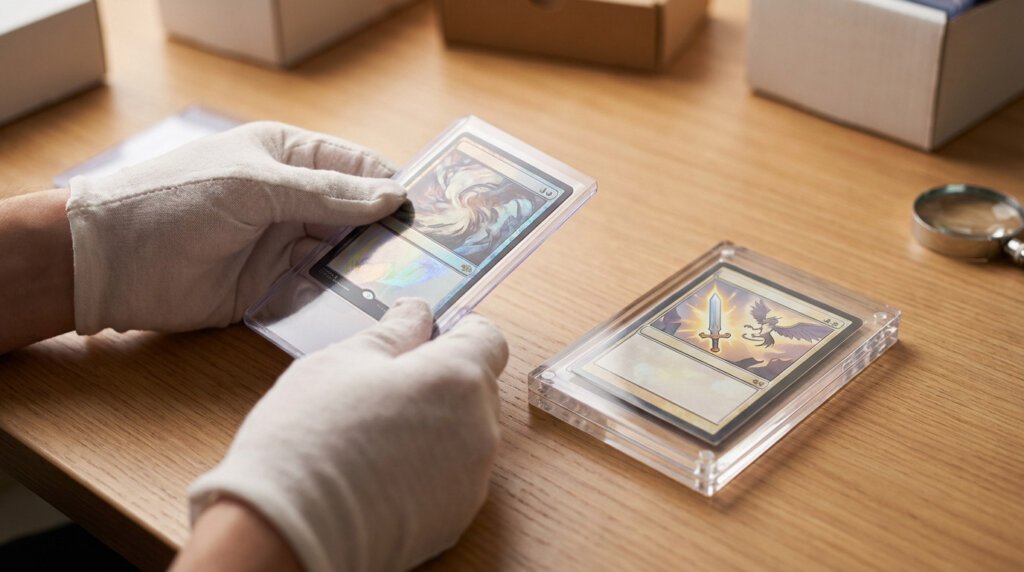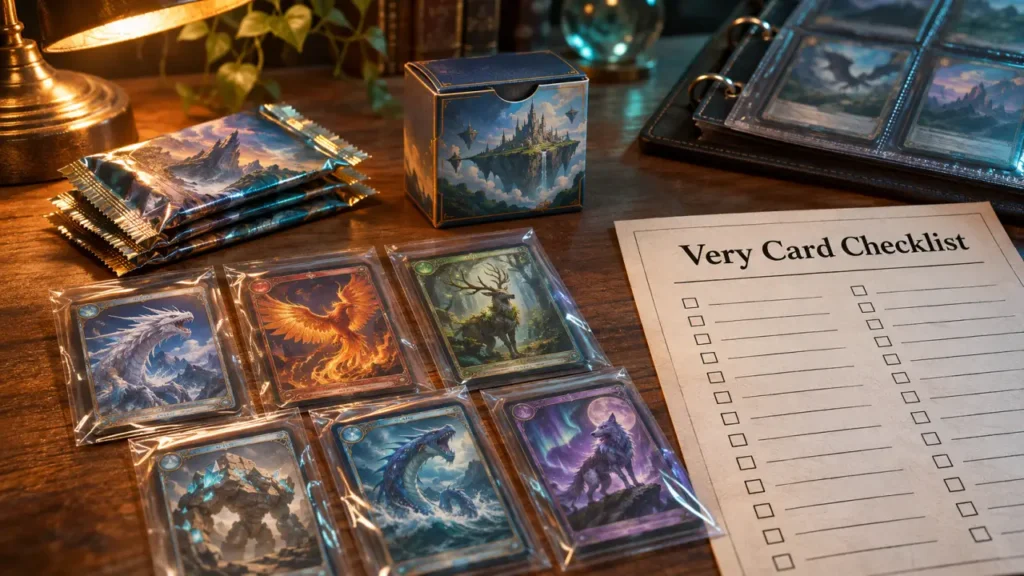
If you searched for “very pokemon cards,” first decide whether you want a particular card, cards to play with, or sealed packs to open. The phrase does not clearly identify a Pokémon TCG product or rarity, so treating it as a specific category could send you toward the wrong purchase.
The most useful distinction is simple: buy individual cards for a known target, consider a battle deck for playing, and compare sealed products for the opening experience. A card gallery can help you narrow down what you want before you spend.
Start with the card or experience you actually want
“Very” may be incomplete wording, a typo, or part of a search whose meaning is personal to you. It should not automatically be interpreted as “rare,” “valuable,” or a particular retailer. Instead, turn the search into a concrete shopping goal.
- To identify a card: start with its name, artwork, and any visible identifying details.
- To get a particular card: search individual-card listings rather than assuming a sealed box contains it.
- To begin playing: compare deck products and read what each includes.
- To enjoy opening packs: compare booster products and collections by their listed contents.
- To buy a gift: establish whether the recipient prefers playing, collecting particular Pokémon, or opening packs.
The official Pokémon Trading Card Game gallery is a starting destination for browsing cards. Use it for discovery rather than as a substitute for checking the exact item offered by a seller. A card image and a retail package answer different questions: one helps establish what interests you; the other establishes what you will receive.
Think of your chosen card as a navigation beacon. Before browsing colorful boxes, write down a small “purchase fingerprint”: the Pokémon, the desired artwork or version, the language, and whether you want a single card or a sealed product. That reference point helps prevent an attractive package featuring the same Pokémon from being mistaken for the exact card you intended to buy.
Match the Pokémon TCG format to your purpose
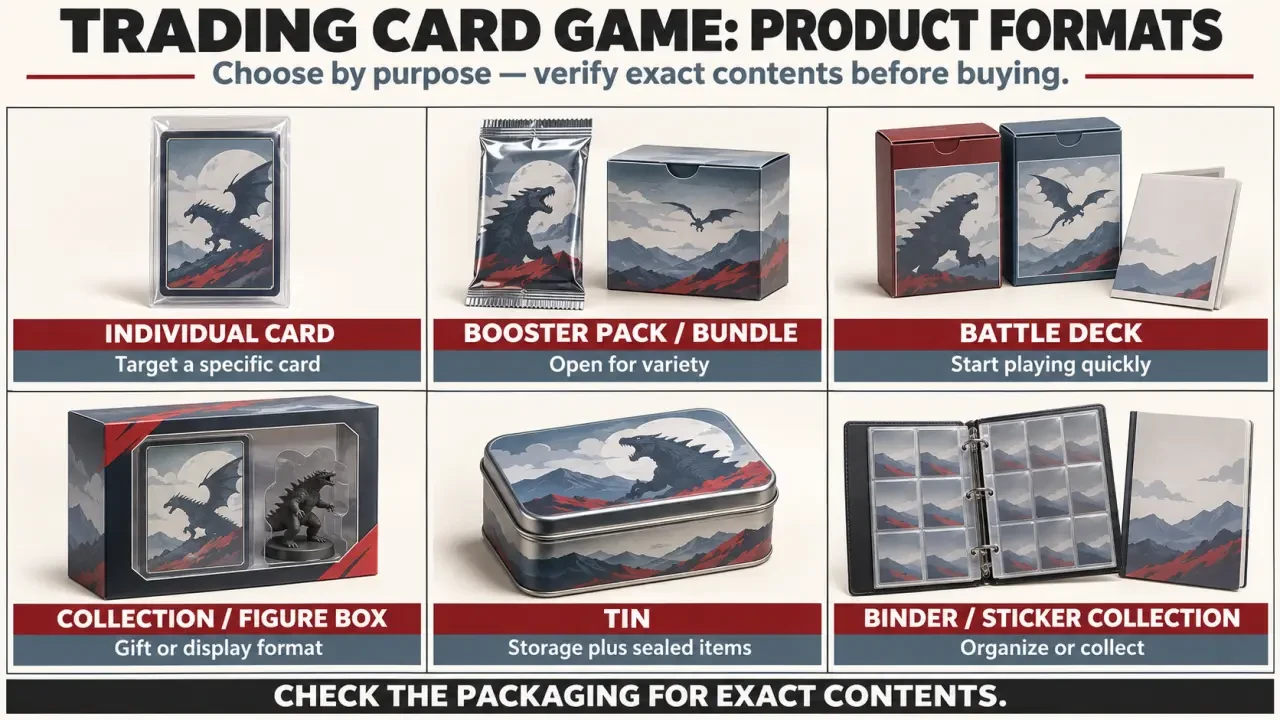
Retail categories mix products that serve different needs. Walmart’s Pokémon listings include booster bundles, figure collections, collection boxes, battle decks, tins, sticker collections, and binder collections. The package name helps you shortlist options, but the contents list should decide the purchase.
| Format | When to consider it | What to verify |
|---|---|---|
| Individual card | You want a specific card or deck component | Exact version, language, condition, and quantity |
| Booster pack or bundle | You want to open packs | Expansion, pack count, and sealed status |
| Battle deck | You want a deck product for playing | Deck list, included components, and suitability for your intended play |
| Collection or figure box | You value the listed cards, packs, or display extras | Which contents are specified and which are randomized |
| Tin or mini tin | You like the format or collectible container | Exact release and contents, not just the exterior artwork |
| Binder or sticker collection | You also want the accompanying accessory | Accessory specifications and included card products |
Opening packs is different from buying a target card
A booster purchase offers an opening experience, not certainty about a particular card. If your satisfaction depends on receiving one exact card, compare individual listings first. Conversely, someone who enjoys discovering unfamiliar cards may prefer packs even when they do not have a specific collection target.
A larger box is not automatically a better fit
An Elite Trainer Box, premium collection, or figure collection may attract attention through its presentation. That does not establish its value for your needs. If you do not want the accessories or display items, focus your comparison on the contents you would otherwise buy separately. For a gift, those extras may matter—but ask rather than assume.
Identify individual cards before comparing sellers
Matching only a Pokémon’s name is not enough to establish that two listings offer the same card. Artwork, expansion, card number, language, and finish can distinguish versions. When those details are visible, record them before comparing prices. If a listing leaves an important detail unclear, request clarification rather than filling the gap yourself.
Condition also matters when choosing between individual cards. Read the seller’s condition description and examine available photographs, especially if appearance is important to your collection. Do not treat an illustrative image as proof of the actual card’s condition, and check whether a listing offers one card or multiple copies.
Looking for Energy cards
Energy cards are another reason to search by card type rather than browse general gift boxes. The TCGplayer Pokémon Energy listing address specifies an Energy filter. Check the live page for the actual selection, quantities, conditions, and prices; the address alone does not establish inventory.
If you are buying Energy for a deck, use the deck’s requirements to define your purchase. If you are collecting a particular design, identify that version with the same care you would apply to a Pokémon card. A broad “Energy cards” search is only the starting point.
Compare prices without letting discounts make the decision
Prices should be compared only after the product identity is clear. Similar titles can conceal different releases, quantities, or package contents. The Walmart Pokémon category offers a retail browsing route, but check the individual listing, seller, and checkout total before purchasing.
For reference, Walmart listings have displayed a “30th Celebration Booster Bundle” at $69.99, previously $94.99, an Umbreon ex “30th Celebration Battle Deck” at $31.95, previously $39.95, and a “30th Celebration Binder Collection” at $137.77. These are listing examples, not verified current offers or confirmation of official product naming. Verify the exact product identity, contents, and live price before relying on them.
A crossed-out price does not establish that a product is the right purchase. Likewise, “New” and “Best seller” labels do not tell you whether a box contains what you need. Compare equivalent products first, then consider promotions.
- Confirm the exact item: match the release, format, language, quantity, and contents.
- Calculate the delivered cost: include shipping and applicable taxes.
- Inspect the seller’s terms: check condition descriptions, returns, and procedures for damaged or incorrect items.
- Check delivery at checkout: an estimate attached to another listing is not a delivery promise for your order.
For comparable booster products, dividing the price by the confirmed pack count can help. For mixed collections, that calculation is incomplete because accessories and specified cards also contribute to the purchase. Give those extras value only if you actually want them.
The practical next step is to make your search more precise: a named card and version, a particular battle deck, or a sealed product with a confirmed contents list. Once that choice is clear, price comparison becomes easier—and you are less likely to buy an impressive-looking box that solves the wrong problem.